Python for Front-End Development
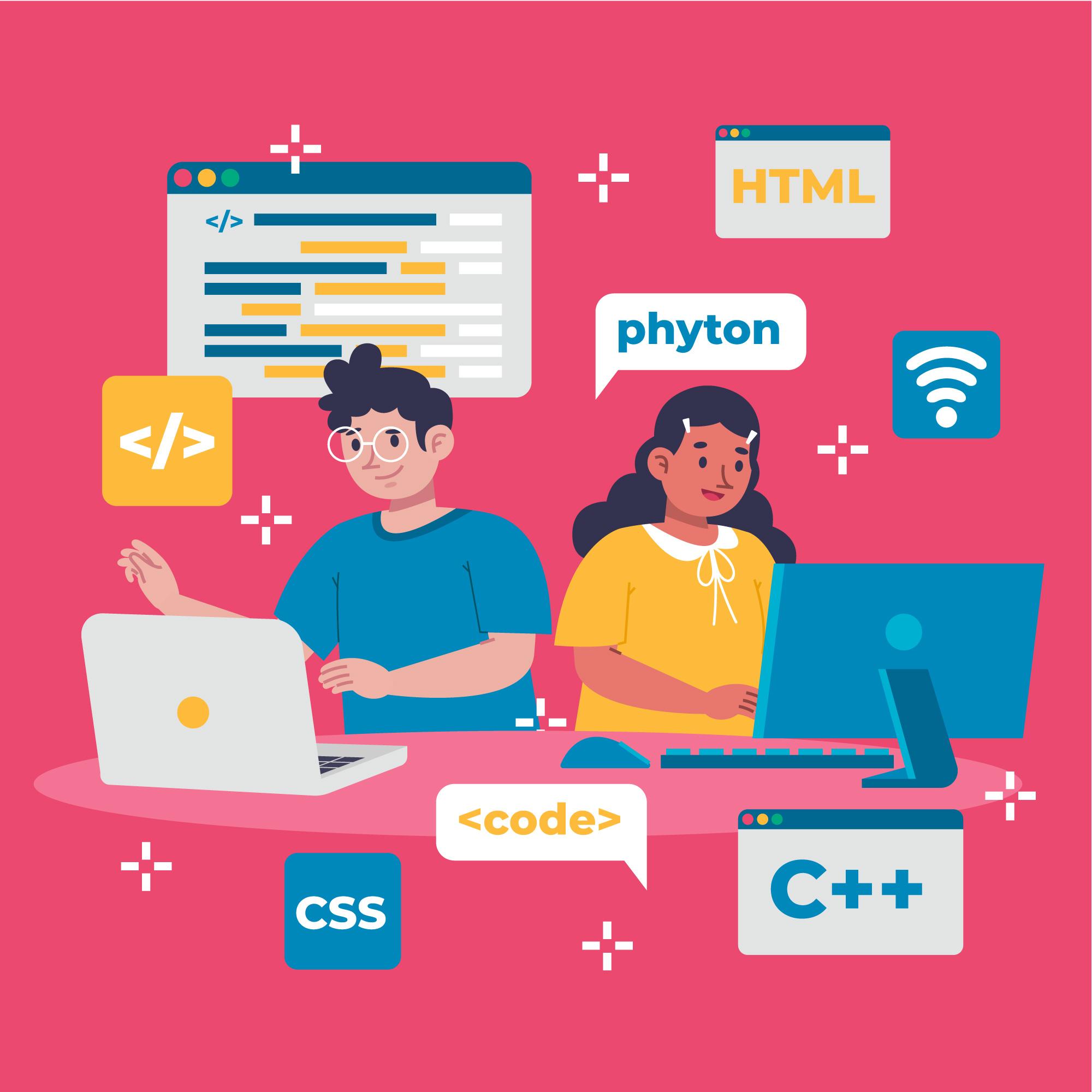
Front-end development has long been associated with languages like HTML, CSS, and JavaScript. However, Python, known for its versatility and wide-ranging applications, is increasingly finding its place in the world of front-end development. In this comprehensive guide, we will explore the role of Python in front-end development, its advantages, and how to use it effectively to create modern and responsive user interfaces.
Why Python for Front-End?
Traditionally, front-end development has been dominated by HTML, CSS, and JavaScript. Python’s emergence on the front-end scene may raise questions. So, why Python for front-end development?
1. Versatility
Python is a versatile language that can be used on both the front end and back end, allowing for seamless integration and full-stack development.
2. Simplicity
Python’s clean and easy-to-read syntax makes it an excellent choice for writing front-end code. It reduces the learning curve for new developers.
3. Abundant Libraries and Frameworks
Python boasts a rich ecosystem of libraries and frameworks that can enhance front-end development, simplifying tasks like web scraping, data visualization, and creating interactive user interfaces.
4. Strong Community
Python has a robust and supportive community, ensuring access to ample resources, tutorials, and tools for front-end development.
5. Data Science Integration
For applications requiring data analysis and visualization, Python can seamlessly integrate with front-end components, providing powerful data-driven user interfaces.
Python in Front-End: Use Cases
Python can be employed in various aspects of front-end development. Here are some notable use cases:
1. Transpilation
This can be transpiled to JavaScript using tools like Brython or PyScript. This enables code to run directly in the browser.
2. Front-End Frameworks
Front-end frameworks like Flask and Django allow for Python-based front-end development, handling routing, templates, and serving HTML pages.
3. Data Visualization
Libraries such as Matplotlib and Plotly facilitate data visualization, which can be seamlessly integrated into front-end applications.
4. Web Scraping
Python’s rich set of web scraping libraries, including BeautifulSoup and Scrapy, can be utilized for collecting data for front-end display.
5. Interactive User Interfaces
Libraries like PyQT, Tkinter, and Kivy enable the creation of interactive user interfaces, extending Python’s use to GUI applications.
Setting Up Python for Front-End
To start using for front-end development, you’ll need to set up your development environment. Here’s a step-by-step guide:
1. Install Python
If you don’t already have installed, download the latest version from the official Python website.
2. Choose a Front-End Framework
Select a front-end framework that allows integration. Options include Flask, Django, and web development libraries like Brython.
3. IDE or Text Editor
Choose an integrated development environment (IDE) or text editor for writing code. Popular choices include Visual Studio Code, PyCharm, and Sublime Text.
4. HTML and CSS
Although can handle most front-end tasks, you’ll still need to be proficient in HTML and CSS for structuring and styling web pages.
5. JavaScript
While Python can transpile to JavaScript, a foundational understanding of JavaScript is valuable for front-end development, as some interactivity and client-side tasks may require JavaScript.
Python Front-End Tools and Frameworks
Let’s explore some of the tools and frameworks that make front-end development efficient and enjoyable.
1. Flask
Flask is a lightweight and versatile web framework that allows integration on the front end. It is an excellent choice for building web applications, handling routing, and rendering HTML templates.
Link : https://flask.palletsprojects.com/en/3.0.x/
2. Django
Django is a high-level web framework that provides a comprehensive set of tools for building web applications. It simplifies many front-end tasks, making it an excellent choice for full-stack development.
Link : https://www.djangoproject.com/
3. Brython
Brython is a Python3 implementation for client-side web programming. It allows you to write code that transpiles to JavaScript and runs directly in the browser.
Link : https://brython.info/
4. Plotly
Plotly is a powerful library for creating interactive and visually appealing data visualizations. It’s widely used for integrating data-driven charts and graphs into front-end applications.
Link : https://plotly.com/
5. PyQT and Kivy
Both PyQT and Kivy are libraries for building graphical user interfaces (GUI). They are valuable for developing desktop and mobile applications with Python-based front ends.
6. Web Scraping Libraries
Libraries like BeautifulSoup and Scrapy are indispensable for web scraping, collecting data from the web for display in front-end applications.
Best Practices for Python Front-End Development
While Python can be a valuable addition to your front-end toolkit, it’s important to follow best practices:
1. Separation of Concerns
Adhere to the principle of separating your HTML, CSS, and JavaScript from your code. Keep your code organized and maintainable.
2. Responsive Design
Ensure that your front-end designs are responsive, meaning they adapt to different screen sizes and devices.
3. Optimize for Performance
Optimize your front-end code for performance, including image compression, lazy loading, and minimizing HTTP requests.
4. Cross-Browser Compatibility
Test your front-end projects in multiple browsers to ensure cross-browser compatibility.
5. Security Considerations
Be mindful of security practices in your front-end development, such as input validation and protection against cross-site scripting (XSS) and other vulnerabilities.
6. Documentation
Always document your front-end code and provide clear instructions for other developers who may work on the project.
Challenges and Considerations
While Python has numerous advantages in front-end development, it’s important to consider potential challenges:
1. Performance
May not be as performant as JavaScript for certain front-end tasks. Evaluate your project’s requirements and performance needs.
2. Community and Resources
While Python has a robust community, resources and tools for front-end development
may be less extensive compared to JavaScript.
3. Compatibility
Ensure that your Python-based front-end code is compatible with various web browsers and consider the potential need for polyfills and transpilation.
Conclusion
Python’s role in front-end development is on the rise, offering a new dimension to web development. Whether you’re looking to expand your skill set, build interactive user interfaces, or create data-driven visualizations, can be a valuable addition to your front-end toolkit. By understanding the use cases, best practices, and potential challenges, you can harness the power of Python for front-end development effectively. So, embrace this versatile language and embark on your journey to becoming a proficient front-end developer with Python in your arsenal.
Front-end development continues to evolve, and this is carving out its place alongside traditional front-end technologies, opening up new possibilities for creating modern, responsive, and engaging web applications. As you explore for front-end development, keep the user experience at the forefront and leverage the strengths of both Python and other front-end technologies to build remarkable web experiences.
Related posts:



Powered by YARPP.