Graph data structure
Discover the versatile world of graph data structures, their applications, and essential algorithms in this comprehensive guide.
65 posts about blog by Khan Waseem.
Discover the versatile world of graph data structures, their applications, and essential algorithms in this comprehensive guide.
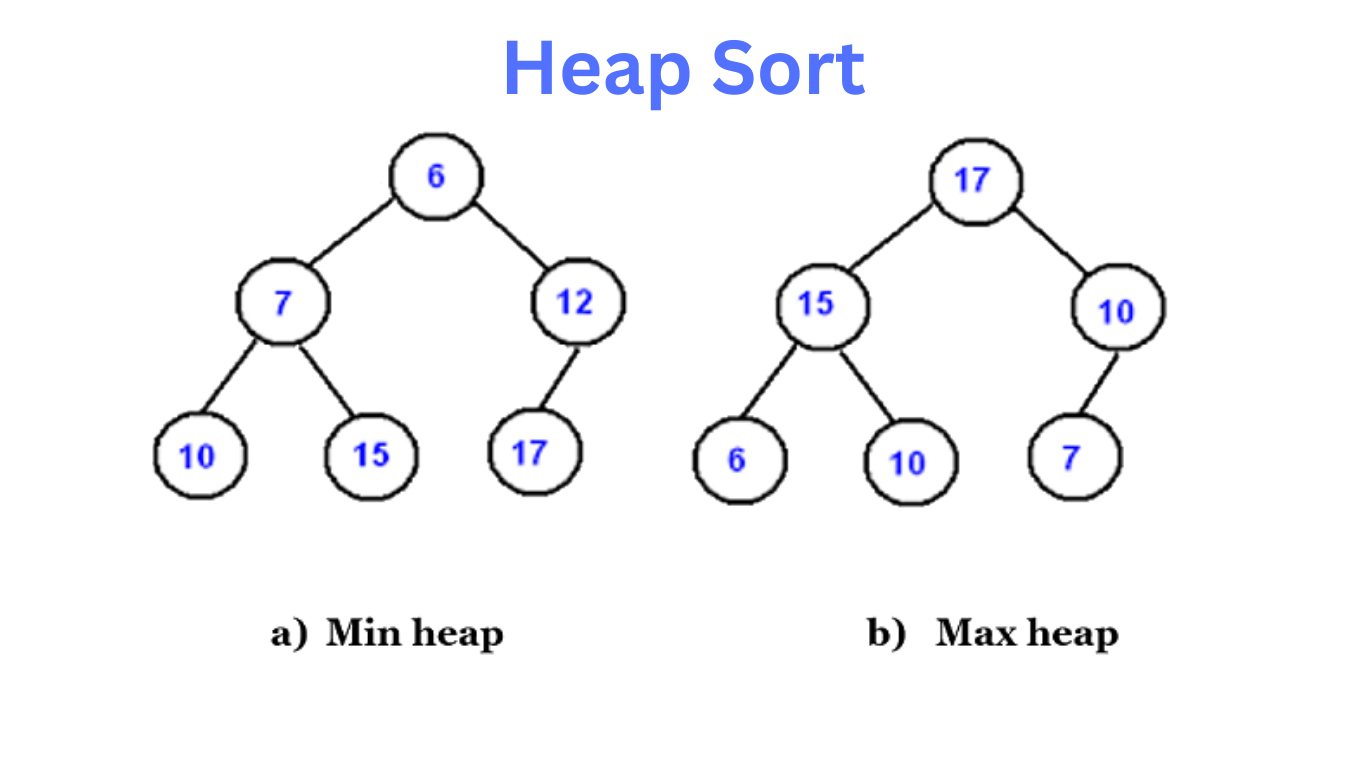
Discover the efficiency and stability of Heap Sort, a reliable in-place sorting algorithm with predictable performance. Learn how it works and where it shines.
Discover the importance of low-level design in software engineering and learn key concepts and practical tips for creating efficient and maintainable code.
Unlock the Power of SQL Server: Explore installation, security, data modeling, and more in our comprehensive guide to Microsoft’s RDBMS.
Explore the journey of databases, from flat files to NoSQL, and discover their role in the digital age. Understand the evolution and future of data management
Explore the versatile world of MongoDB, a NoSQL database, and discover its adaptability, scalability, and data management potential
Java for backend development: Harness the power of Java to create robust and scalable server-side applications. Learn key concepts and best practices.
Explore Python in backend development. Learn frameworks, security, scaling, and emerging trends for building robust server-side solutions.
Unlock the full potential of JavaScript in front-end development. Explore core concepts, frameworks, best practices, and future trends in web development
Discover the path to becoming a senior front-end developer: essential skills, challenges, and expertise. Explore the dynamic world of web development.
Experienced freelance front-end developer specializing in web design, UI/UX, and responsive development. Crafting digital experiences that captivate and engage.
Explore the world of Angular frontend development and learn to create dynamic web applications. Master Angular’s power for stunning user interfaces.
Java for frontend: Powering dynamic, cross-platform interfaces with Java’s versatility. Explore the possibilities of Java in frontend development.
Experienced Frontend Expert | Web Development Specialist | HTML, CSS, JavaScript | Crafting Stunning User Interfaces | Enhancing User Experiences
Discover the significance of a code editor in the world of programming – your versatile canvas for efficient development, innovation, and coding mastery
In the dynamic world of programming, having accessible and user-friendly tools is crucial for efficient development. Online C compilers have gained popularity for their convenience in enabling developers to write…
Mastering the Frontend: A Comprehensive Guide to Frontend Development Elevate Your Frontend Development Skills Frontend Masters is an esteemed online learning platform that caters to frontend developers seeking to…
Frontend and backend development are two essential components of web development that work collaboratively to create fully functional and user-friendly web applications.
PhpMyAdmin localhost phpMyAdmin : is a configuration widely used in web development environments to efficiently manage MySQL databases through a user-friendly web interface called phpMyAdmin. This combination of terms…
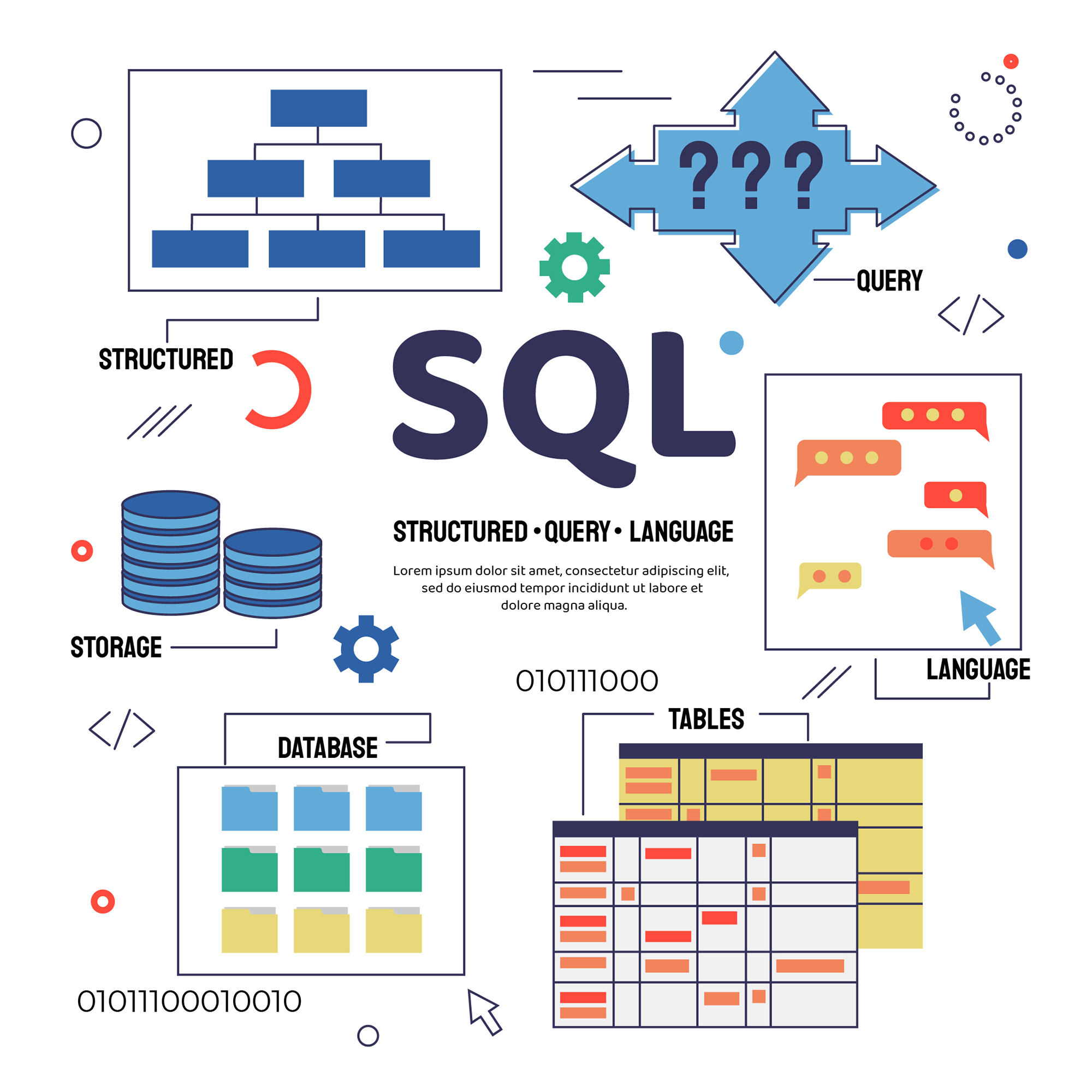
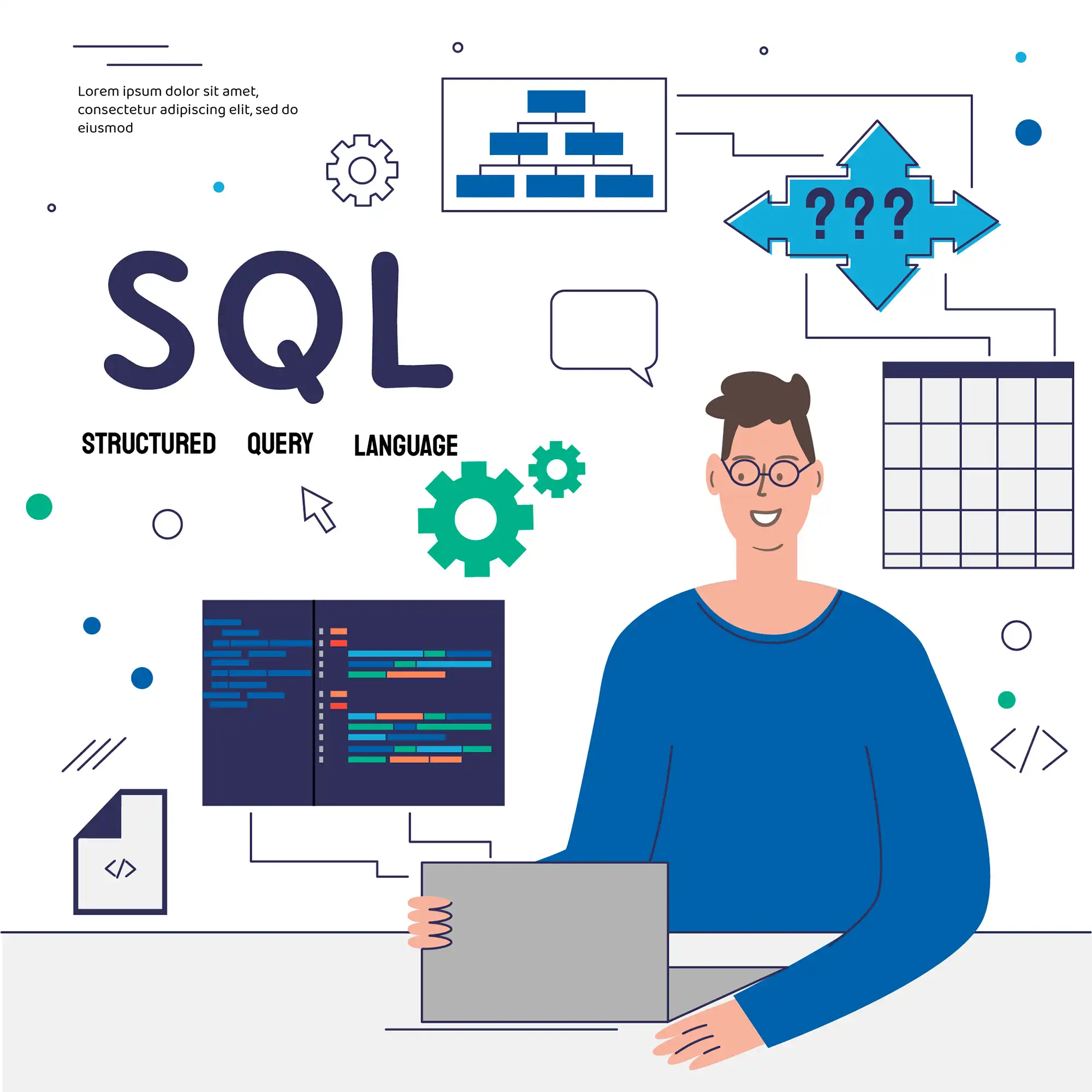
SQL, which stands for Structured Query Language, is a domain-specific language that plays a pivotal role in managing and manipulating relational databases.
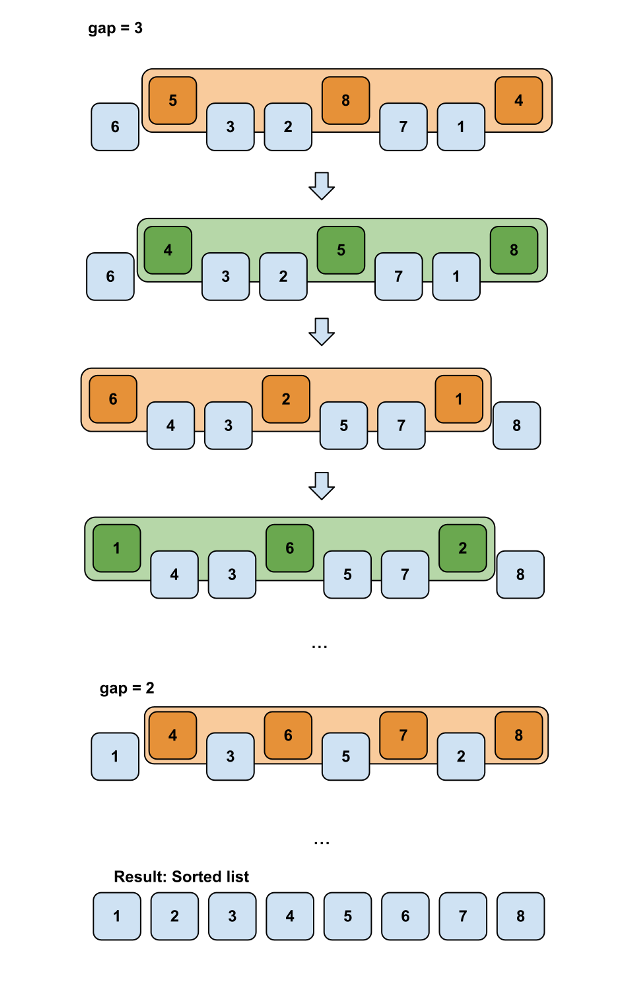
Sorting algorithms are a set of instructions that can be used to arrange a collection of items in a specific order. There are many different sorting algorithms, each with their own strengths and weaknesses.
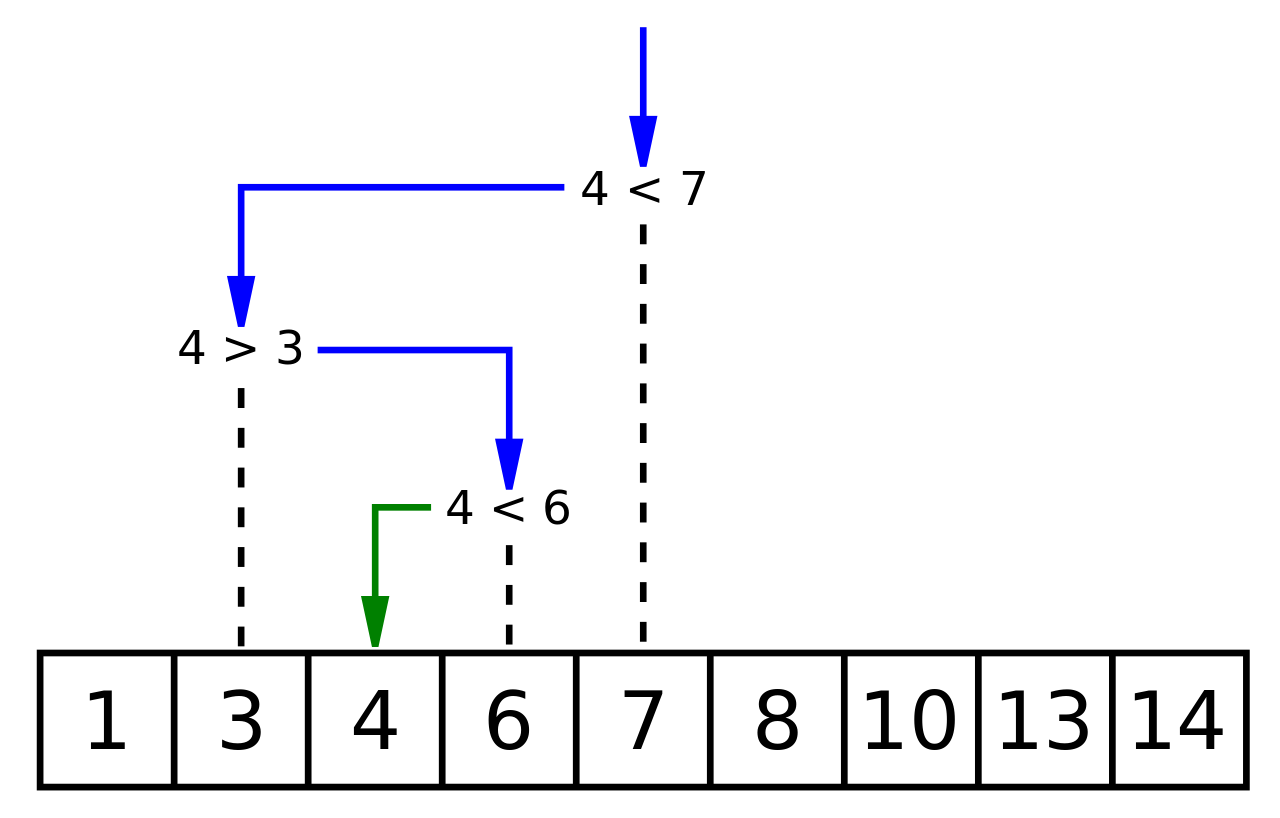
Searching Algorithms: Navigating Data for Answers In the realm of computer science and information retrieval, searching algorithms are the guiding lights that enable efficient and systematic exploration of data to…
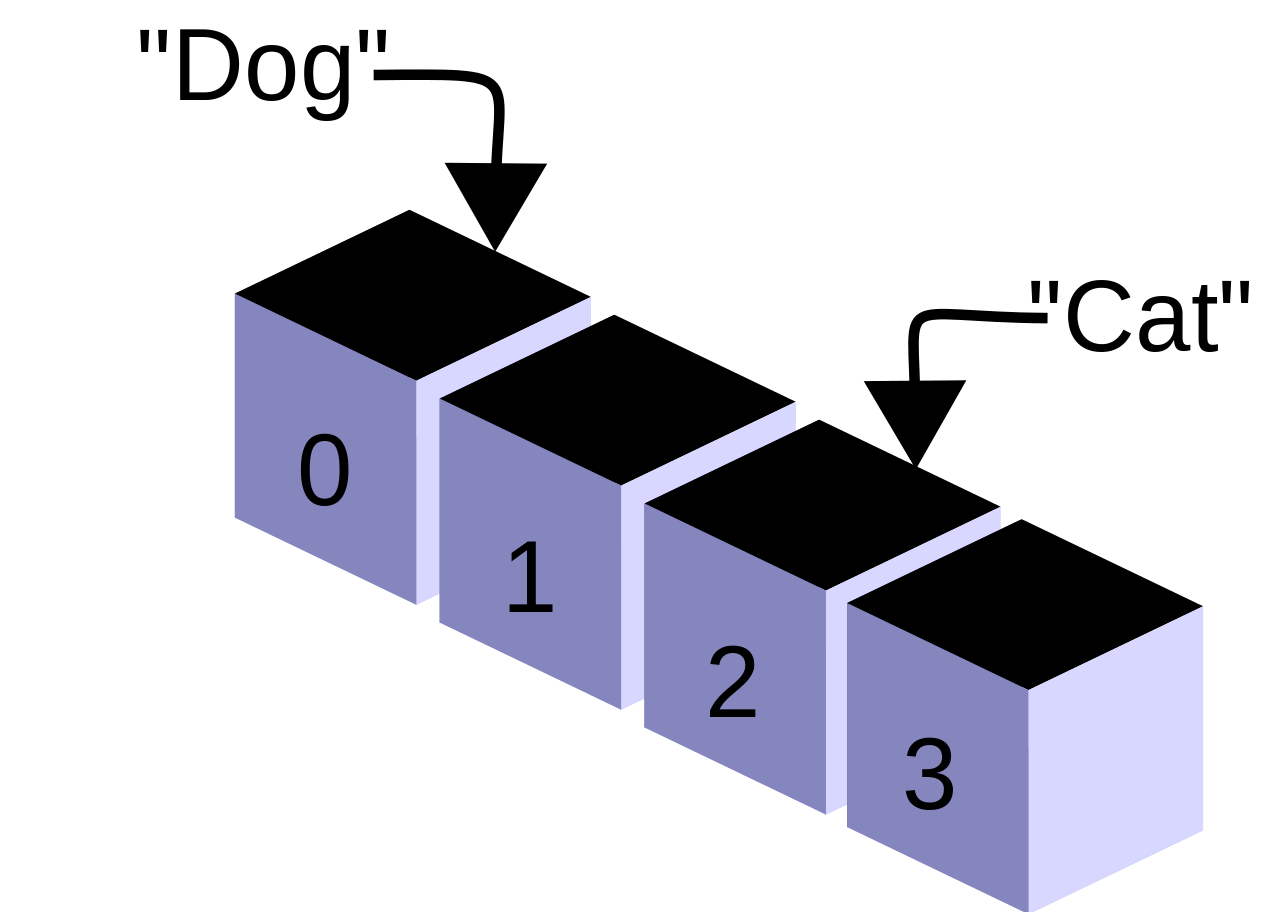
An array is a data structure that stores a collection of elements, each identified by an index or a key. The elements can be of any data type, such as integers, floating-point numbers, strings, or objects. The size of…
Complexity analysis of data structures and algorithms refers to the process of determining the computational complexity of a given algorithm or data structure. It is a way to measure the performance of an algorithm or…
Kafka is a distributed streaming platform that is used to handle large volumes of data and real-time data streaming. It is designed to handle high-throughput, low-latency, and fault-tolerant data streaming. Kafka is…
RabbitMQ is an open-source message-broker software that originally implemented the Advanced Message Queuing Protocol (AMQP) and has since been extended with a plug-in architecture to support other protocols such as…
Cache, also known as a caching mechanism, is a technique used to temporarily store frequently accessed data in a faster storage medium, such as memory or disk, in order to reduce the number of times the data must be…
Load balancers are a key component of any highly available and scalable system. They distribute incoming network traffic across multiple servers, ensuring that no single server is overwhelmed and that all requests are…
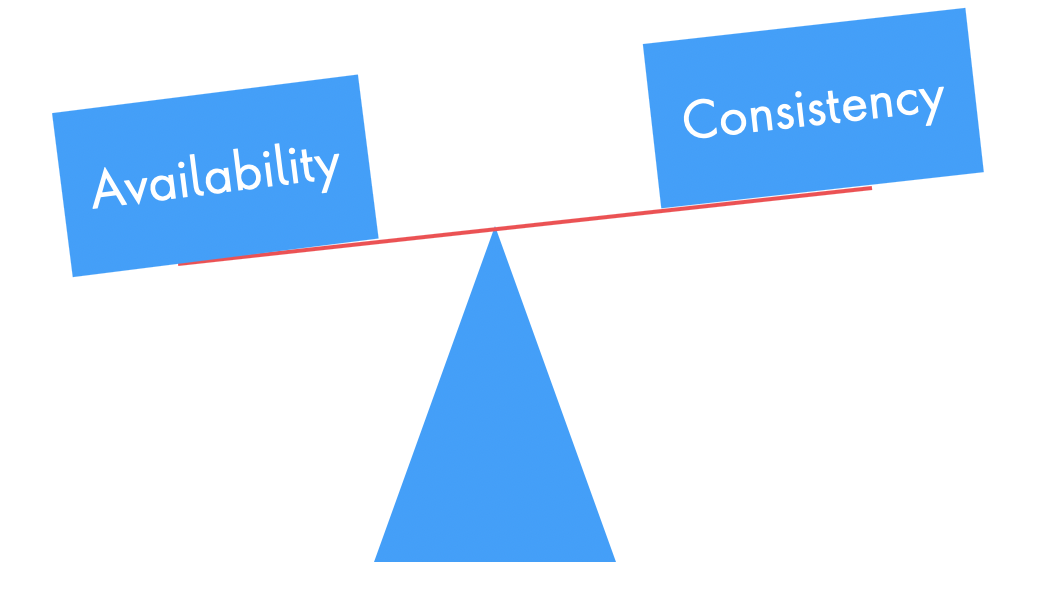
Availability patterns refer to the strategies and techniques used to ensure that a system or service is available and can handle requests at all times. High availability is a key requirement for many systems, as it…
In distributed computing, consistency patterns refer to the various strategies and techniques used to ensure that data is consistent across multiple nodes or systems in a distributed environment.
AWS provides a variety of services such as computing power, storage, and databases, as well as machine learning, analytics, and Internet of Things (IoT) services. It also provides services for content delivery…
A Content Delivery Network (CDN) is a system of distributed servers that deliver web content to a user based on their geographic location. The goal of a CDN is to provide faster and more reliable delivery of content to…
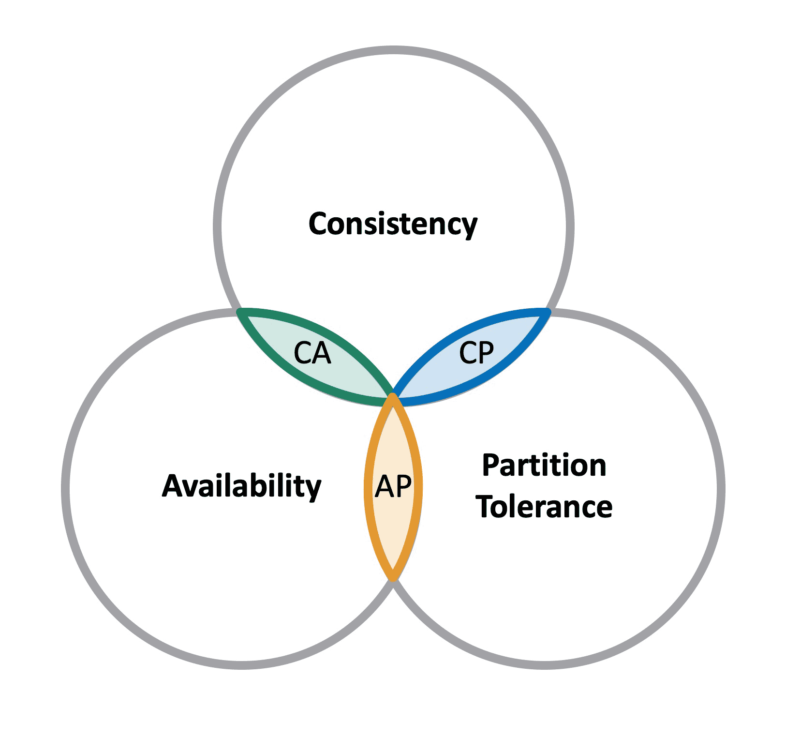
The CAP theorem, also known as Brewer’s theorem, states that in a distributed system, it is impossible for a system to simultaneously provide all three of the following guarantees:
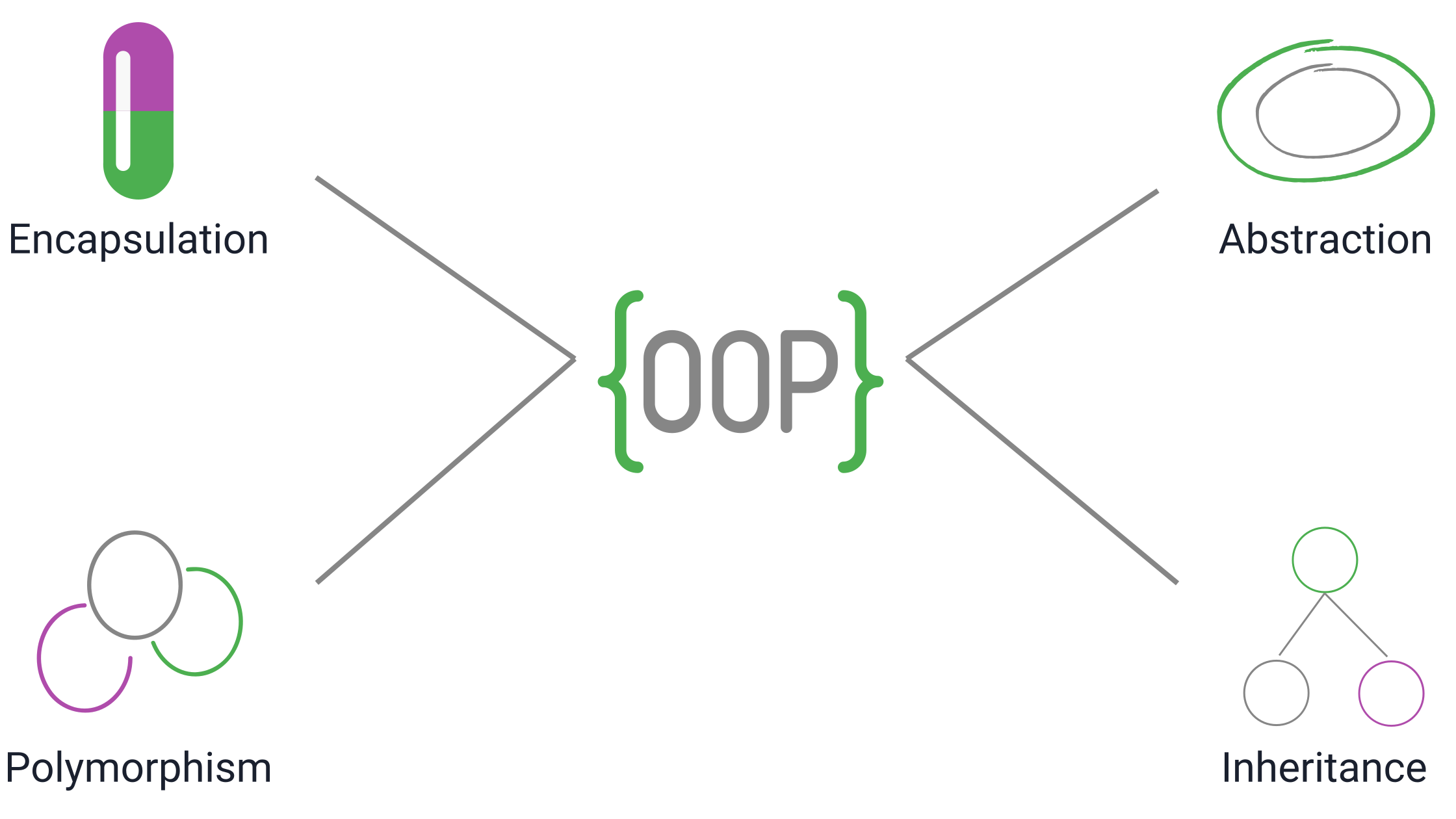
Object-oriented principles are a set of guidelines for writing software using the object-oriented programming (OOP) paradigm. The main principles include encapsulation, inheritance, polymorphism, and abstraction.
The SOLID principles are a set of five design principles for object-oriented programming and design. They were first introduced by Robert C. Martin in his book “Agile Software Development, Principles, Patterns, and…
UML stands for Unified Modeling Language. UML is a graphical language that is used to create visual models of software systems. It provides a set of notation elements that can be used to represent the different…
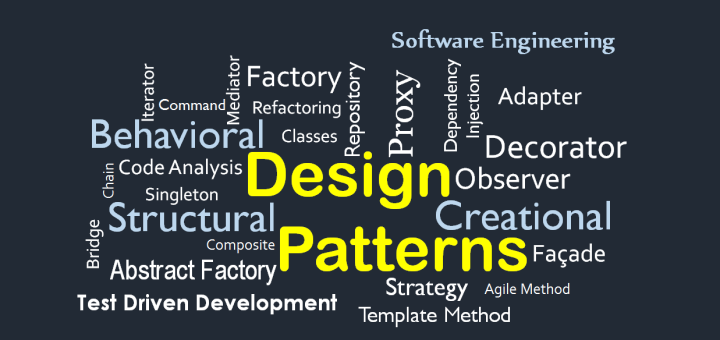
A design pattern is a solution to the general repeatable commonly occurring problems in software design. They provide a standard way of approaching and solving a problem and can be used to improve the design and…
Amazon DynamoDB is a fully managed NoSQL database service offered by Amazon Web Services (AWS). It provides fast and predictable performance with seamless scalability, allowing developers to offload the administrative…
Apache Cassandra is a highly-scalable, distributed NoSQL database designed to handle large amounts of data across many commodity servers. It was developed by Facebook and later open-sourced. It is designed to handle…
Redis (Remote Dictionary Server) is an in-memory, open-source, data structure store that can be used as a database, cache, and message broker. It is often referred to as a NoSQL database, as it does not use the…
MongoDB is a cross-platform, document-oriented, NoSQL database management system. It is designed for high scalability and performance and is often used for large, unstructured data sets.
NoSQL (Not Only SQL) is a type of database management system that is designed to handle large amounts of unstructured and semi-structured data. Unlike traditional relational databases that use SQL as their primary…
SQL (Structured Query Language) is a programming language used for managing and manipulating relational databases. It is used to create, modify, and query databases and is the standard language for interacting with…
Spring Boot is a Java-based framework used to create microservices and full-stack web applications. It is a part of the Spring Framework and is built on top of the Spring Framework, providing a simplified and…
Django is a high-level, open-source web framework written in Python. It is designed to help developers take applications from concept to completion as quickly as possible. It encourages rapid development and clean…
Express is a minimal and flexible Node.js web application framework that provides a robust set of features for web and mobile applications. It is built on top of Node.js and is designed to simplify the process of…
Node.js is an open-source, cross-platform JavaScript runtime environment that is used to build server-side and networking applications. It allows developers to run JavaScript code on the server-side, outside of a web…
Bootstrap is a popular open-source front-end development framework that is used to create responsive and mobile-first web pages. It was developed by Twitter and is now maintained by a team of developers at the company.
Tailwind CSS is a utility-first CSS framework for building responsive and customizable user interfaces. It is designed to be highly composable and make it easy to build consistent and predictable designs.
Next.js is a JavaScript framework that is built on top of React. It is used to build server-rendered React applications. The main goal of Next.js is to make it easy to develop and deploy production-ready React…
Within the ever-evolving landscape of net development, creating stunning websites that captivate users has come to be a pinnacle priority. With the rise of React, a JavaScript library for building consumer interfaces…
CSS (Cascading Style Sheets) is a stylesheet language used for describing the presentation of a document written in a markup language. It is most commonly used to style web pages written in HTML and XHTML, but can also…
HTML (Hypertext Markup Language) is the standard markup language used to create web pages. It is used in conjunction with other languages such as JavaScript and CSS (Cascading Style Sheets) to create dynamic and…
C is a general-purpose, procedural, imperative computer programming language that was first developed in 1972 by Dennis Ritchie at Bell Labs. It is considered a low-level language, as it provides the programmer with…
C++ is a high-performance, general-purpose, object-oriented programming language that was first released in 1985 by Bjarne Stroustrup as an extension of the C programming language. It is widely used for a variety of…
Java is a popular, general-purpose, object-oriented programming language that was first released in 1995 by Sun Microsystems (now owned by Oracle). It is designed to be platform-independent, meaning that code written…
Python is a high-level, interpreted programming language that is widely used for a variety of purposes, including web development, data science, artificial intelligence, and scientific computing.
JavaScript is a programming language that is commonly used to create interactive and dynamic web pages. It is a client-side scripting language.
Data Structure and Algorithm (DSA) is a branch of computer science that deals with the organization and manipulation of data in a computer. It is concerned with the efficient representation, storage and retrieval of…
High-level design (HLD) is the process of creating an overall blueprint of a software system. It provides an overview of the system’s architecture, components, and interactions. The goal of high-level design is to…
Low-level design is the process of defining the specific details of a software system. It is the next step after the high-level design and it is focused on the implementation of the system, rather than its overall…
A database is a collection of organized data that can be easily accessed, managed, and updated. It is a software system that allows for the storage and retrieval of data in a structured way. Databases are used in a…
Back-end development, also known as server-side development, is the process of creating the behind-the-scenes functionality of a website or application. It involves using programming languages and technologies to…
Front-end development, also known as client-side development, is the process of creating the user interface and user experience of a website or application. It involves using programming languages and technologies to…
A programming language is a formal language that is used to communicate instructions to a computer. It is used to create software and applications and allows developers to write code that a computer can understand and…